

Funding & Acquisitions Tech News
Seed, Series A, B, C: Startup Funding Rounds Explained
Funding headlines are full of jargon. What pre-seed, seed and lettered series rounds mean, and what dilution and valuation really measure.

Tech news regularly reports that a startup "raised a Series B at a valuation of" some large number. The terms follow a loose but widely understood sequence, and knowing it makes funding stories much easier to read.
Key takeaways
- Each round sells part of the company for cash; existing owners are diluted.
- Round names describe a company's stage, not a fixed amount of money.
- A headline valuation is a negotiated price, not money in the bank.
The stages
| Round | Typical stage | Usual investors |
|---|---|---|
| Pre-seed | An idea or early prototype | Founders, friends and family, angels |
| Seed | Early product, first users | Angels, seed funds, accelerators |
| Series A | Proven demand, building a repeatable business | Venture capital firms |
| Series B | Scaling sales and the team | Larger VC firms |
| Series C and later | Expansion, acquisitions, preparing for exit | Growth funds, corporates |
The amounts vary enormously by country, sector and market conditions, so the label tells you more about maturity than about size.
Valuation and dilution
Pre-money valuation is what the company is deemed worth before the new cash; post-money adds the investment. If investors put in 2 million at a post-money valuation of 10 million, they own 20%, and every existing shareholder's percentage shrinks accordingly. That shrinkage is dilution.
Convertible notes and SAFEs
Early rounds are often raised on instruments that convert into shares later, at the next priced round, usually with a discount or valuation cap as a reward for investing early. They are quicker and cheaper to arrange than a full equity round.
Acquisitions and exits
An exit is how investors get their money back: an acquisition by a larger company or a stock market listing. An "acqui-hire" is an acquisition made mainly to hire the team, often with the product shut down.
Funding is a means, not a result. The companies that last are the ones whose customers pay them.
 Tech News
How to Spot Tech Hype: A 6-Step Checklist for Reading Tech News
Every week brings a "revolutionary" launch. Six quick checks separate the stories that matter from the press releases dressed up a...
Read article
 Hardware News
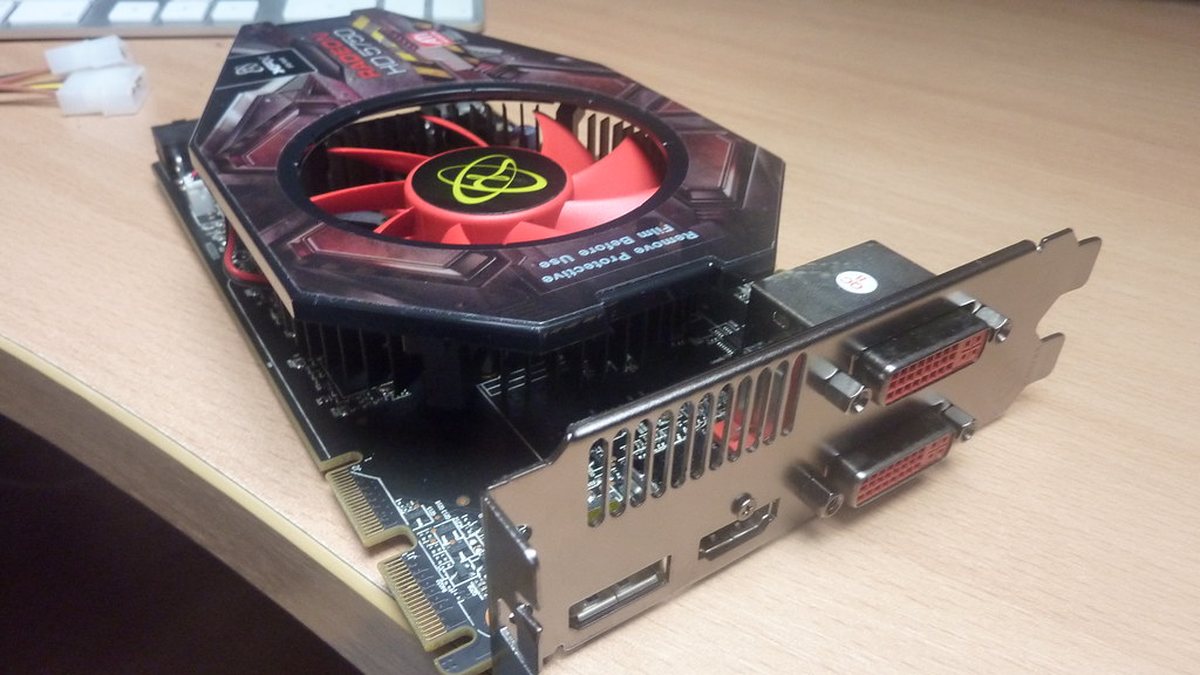
Why Graphics Card Prices Swing So Much (and When to Buy)
GPU prices rise and fall more than almost any other PC part. Here is what drives the swings and how to time a purchase.
Read article
 Software & SaaS News
SaaS Prices Keep Rising: 7 Ways to Get Your Software Bill Under Control
Subscriptions creep up one seat and one add-on at a time. A one-afternoon audit can cut a business software bill without losing an...
Read article