

Android vs iOS in 2026: Which Phone Platform Suits You Best?
Android vs iOS in 2026 compared: market share, years of updates, privacy, apps and prices, plus a clear guide to which platform suits which kind of user.
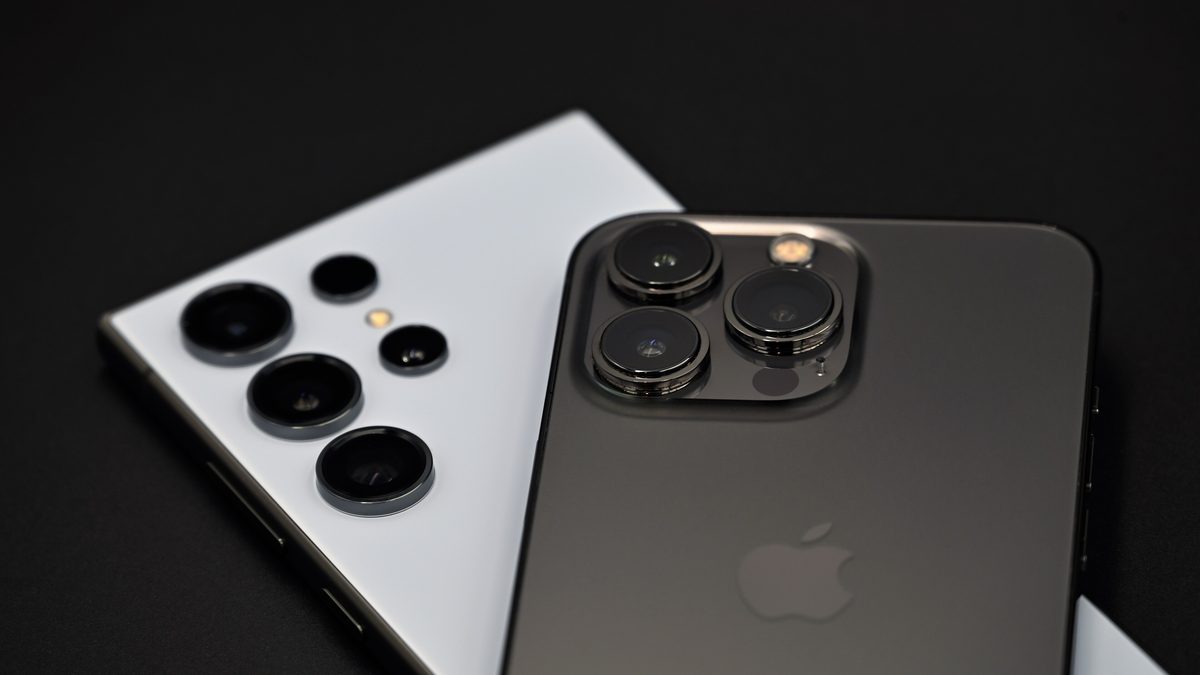
Choosing between Android vs iOS in 2026 is less about which platform is "better" and more about which one fits the way you live, work and spend. Both are mature, secure and polished, yet they still differ sharply on price, choice, update promises and how much control you get.
Key takeaways
- Android dominates worldwide, but the iPhone leads in the US and is roughly level with Android in the UK.
- Google and Samsung now promise seven years of updates on their flagships; Apple's formal minimum is shorter, though its real-world record is long.
- iOS suits people who want simplicity and Apple's ecosystem; Android suits those who want choice, customisation and a wider price range.
Market share: a global split, a local tie
According to StatCounter, Android accounted for 67.45% of mobile operating system usage worldwide in August 2026, with iOS on 32.52%. That gap reflects Android's huge presence across Asia, Africa and Latin America, where affordable handsets from dozens of manufacturers lead the market.
The picture flips in wealthier markets. In the US, iOS held 60.71% of usage in August 2026, and in the UK the two platforms were almost level, with iOS on 51.43% and Android on 48.55%. If most of your friends and family use iPhones, features such as iMessage and FaceTime may matter more to you than the global figures suggest.
Software updates: how long will your phone stay supported?
Long support used to be Apple's clearest advantage. That is no longer a given.
- Google Pixel: Google promised seven years of Android OS upgrades, security updates and Feature Drops, starting with the Pixel 8 series.
- Samsung Galaxy: Samsung matched that with seven generations of OS upgrades and seven years of security updates from the Galaxy S24 series onwards, although availability and timing can vary by model and market.
- Apple iPhone: In a UK regulatory filing, Apple committed to a minimum of five years of security updates from the first supply date of the iPhone 15 Pro Max. In practice iPhones have often been supported for longer, but the formal promise is shorter than Google's and Samsung's.
The catch on Android is that seven-year promises apply mainly to flagships and selected mid-range models. Many budget phones still get only a few years of updates.
Privacy and security
Both platforms are far harder to attack than they once were. For most people the bigger risks are phishing and reused passwords.
iOS
Apple controls both the hardware and the software, so updates reach every supported iPhone at the same time. App Tracking Transparency asks before apps track you across other companies' apps and websites, and Lockdown Mode offers extra protection for people at higher risk of targeted attacks. Outside the EU, apps still come only from the App Store.
Android
Google Play Protect is Android's built-in malware scanner, and Google says it now scans over 350 billion Android apps daily. In 2025 Google also stopped over 1.75 million policy-violating apps from being published on Google Play. Android offers granular permission controls and the freedom to install apps from outside Google Play, which is powerful but puts more responsibility on you.
That freedom is being tightened. From 30 September 2026, Google is requiring apps on certified Android devices in Brazil, Indonesia, Singapore and Thailand to come from verified developers, with a wider rollout planned for 2027.
The practical difference is speed: iOS patches reach every supported iPhone at once, while Android depends on the manufacturer.
App ecosystems
The days of major apps launching on one platform only are largely over. Banking, streaming, messaging, social and productivity apps are available on both. The App Store remains enormous: Apple reported over 850 million average weekly users across 175 countries and regions in June 2026.
The differences are in the details. iOS integrates tightly with the Mac, iPad, Apple Watch and AirPods. Android shines with customisation, easier file management and smooth links with Windows PCs and Google services.
Price range: from budget to premium
This is where Android's choice really shows. Android phones run from basic handsets costing very little to foldables priced well over £1,000, with strong mid-range options from Google, Samsung, Motorola, Xiaomi and others in between.
Apple's range is narrower. Its cheapest current model, the iPhone 17e, launched in the UK at £599 with 256GB of storage, and Pro models cost considerably more. iPhones do tend to hold their resale value well.
| Feature | Android | iOS |
|---|---|---|
| Worldwide usage share (Aug 2026) | 67.45% | 32.52% |
| Update promise | Up to 7 years on Pixel 8 and Galaxy S24 series onwards; shorter on many budget phones | Minimum 5 years of security updates (UK filing); often longer in practice |
| App sources | Google Play, other stores and direct installs | App Store (alternative marketplaces in the EU) |
| Customisation | Extensive: launchers, widgets, default apps | Improving, but more limited |
| Price range | Budget to ultra-premium | Mid-range to premium |
| Best ecosystem partner | Windows PCs, Chromebooks, Google services | Mac, iPad, Apple Watch, AirPods |
Which platform suits whom?
- Choose iOS if you already own a Mac, iPad or Apple Watch, want a phone that works well with minimal setting up, or are buying for a family member who needs consistent updates and simple parental controls.
- Choose Android if you want the widest choice of price, size and design, love customising your home screen, rely heavily on Google services and Windows, or fancy a foldable or a phone with a built-in stylus.
- Either will do if you live mostly in cross-platform apps such as WhatsApp, Google Drive, Spotify and Microsoft 365.
Before you buy, look up the update end date for the exact model, not just the brand. It is the single best guide to how long a phone will stay safe to use.
FAQ
Which is more secure, Android or iOS?
Both are secure when kept up to date. iOS delivers patches to every supported iPhone at once, while Android security depends more on the manufacturer. A Pixel or recent Samsung flagship on current updates is a sound choice; an old budget phone that no longer receives patches is not.
Do Android phones really get seven years of updates now?
Google's Pixel 8 and later, and Samsung's Galaxy S24 series onwards, are promised seven years. Many other Android phones, especially cheaper ones, still get less, so check the policy for each model.
Is it hard to switch from iPhone to Android, or the other way?
Not usually. Official transfer tools move contacts, photos and many messages. The main losses are paid apps and ecosystem features such as iMessage.
Whichever side you choose, keep it updated and protected. Browse more phone guides in our Mobile OS section, or read our security advice for keeping any device safe.
Sources: StatCounter Global Stats, Google Pixel blog, 9to5Google, MacRumors, Google Play safety report, Google Android developer verification, Apple Newsroom (App Store), Apple Newsroom (iPhone 17e)
 Coding Tutorials
Learn Python in 2026: A Beginner's Roadmap, Week by Week
Want to learn Python in 2026? Follow this week-by-week beginner roadmap covering setup, basics, data structures, functions, files,...
Read article
 Online Learning & Courses
Best Online Learning Platforms for Tech Skills in 2026
Coursera, edX, Udemy, freeCodeCamp, Microsoft Learn and more compared on cost, certificates and who each suits, so you can pick th...
Read article
 Troubleshooting & Fixes
How to Fix a Slow Windows 11 PC: 11 Steps That Work in 2026
Is your Windows 11 PC crawling? Work through 11 steps, from startup apps and Storage Sense to drive health and SSD upgrades, to fi...
Read article