

Best Graphics Cards in 2026: The Right GPU for Every Budget
Our pick of the best graphics cards for 1080p, 1440p and 4K in 2026, with VRAM advice, DLSS 4.5 vs FSR vs XeSS, PSU needs and real UK prices to compare.
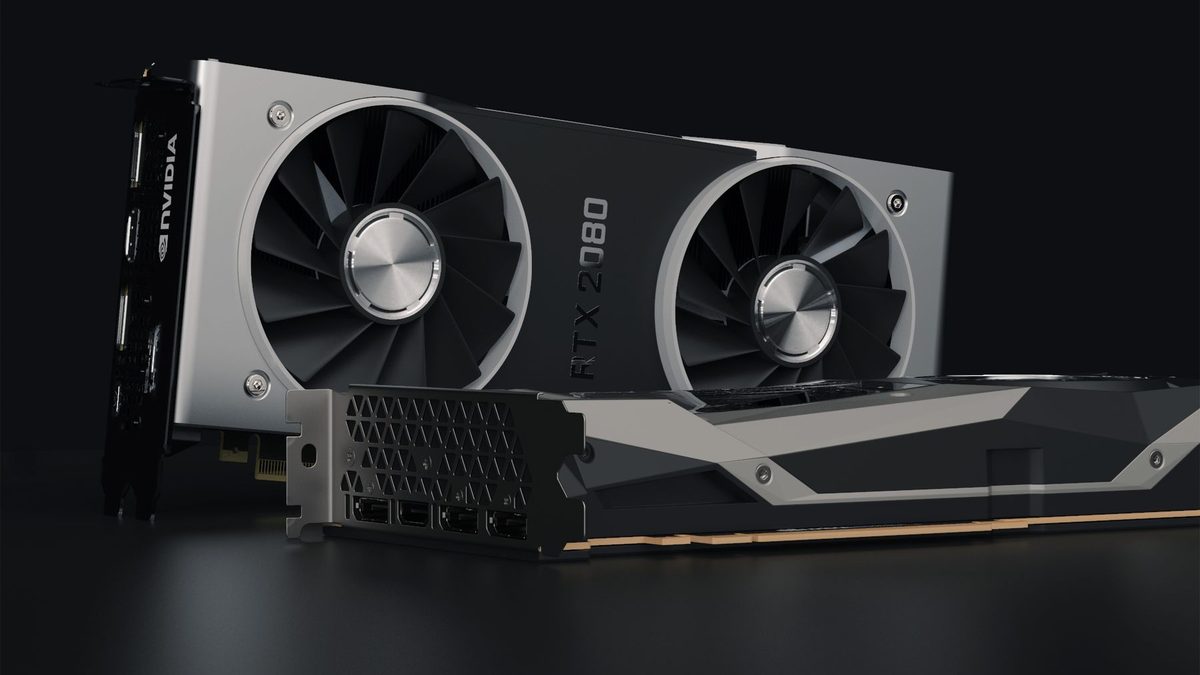
Picking from the best graphics cards in 2026 is less about chasing the fastest chip and more about value and timing. Nvidia's RTX 50 series, AMD's Radeon RX 9000 range and Intel's Arc B-series are all on sale, but a global memory shortage has pushed shop prices well above launch levels.
This guide matches cards to 1080p, 1440p and 4K gaming, explains how much video memory (VRAM) you really need, and covers upscaling, frame generation and power supply requirements so you spend your money wisely.
Key takeaways
- For 1080p, a 12GB or 16GB card such as the Arc B580 or RX 9060 XT 16GB is the sensible starting point.
- At 1440p, the Radeon RX 9070 and RX 9070 XT currently offer the best value; the RTX 5070 Ti is the realistic 4K pick.
- Prices jumped sharply over the summer, so compare cards on today's price, not their launch price.
The GPU market by the numbers
Jon Peddie Research counted 11.82 million desktop graphics cards shipped in the first quarter, blaming the dip partly on "higher prices and limited supply due to limited memory". Meanwhile, the single most popular card on Steam is still the ageing RTX 3060, at 3.76% of users.
Why graphics card prices are so high
Memory makers are prioritising AI data centres, and graphics cards are paying the price. TechSpot's August 2026 pricing update, which tracks the cheapest in-stock models across 10 countries, found prices rose 15% on average in a single month. GeForce cards climbed 19% and Radeon cards 11%, partly because AMD uses GDDR6 memory rather than the GDDR7 found on GeForce cards.
Do not expect rescue from new models soon. Nvidia's rumoured RTX 50 Super refresh has not appeared, and reports earlier this year claimed Nvidia had no new gaming GPUs planned for 2026. If you need a card, buy on value now.
Best graphics cards by budget
| Target | Card | VRAM | US launch price | Lowest UK price (Aug 2026) |
|---|---|---|---|---|
| 1080p value | Intel Arc B580 | 12GB | $249 | about £320 |
| 1080p value | Radeon RX 9060 XT 16GB | 16GB | $349 | about £440 |
| 1080p/1440p | GeForce RTX 5060 Ti 16GB | 16GB | $429 | about £600 |
| 1440p | Radeon RX 9070 | 16GB | $549 | about £550 |
| 1440p | GeForce RTX 5070 | 12GB | $549 | about £600 |
| 1440p high refresh | Radeon RX 9070 XT | 16GB | $599 | about £690 |
| 4K | GeForce RTX 5070 Ti | 16GB | $749 | about £930 |
| 4K high refresh | GeForce RTX 5080 | 16GB | $999 | about £1,200 |
| No compromise | GeForce RTX 5090 | 32GB | $1,999 | about £4,000 |
UK figures are the cheapest in-stock prices TechSpot found at the time of writing. Premium models with bigger coolers cost more, and prices are moving quickly.
Best for 1080p
The Arc B580 gives you 12GB for little money, while the RX 9060 XT 16GB adds more memory and AMD's latest features. The RTX 5060 (about £330) and RX 9060 XT 8GB (about £380) are cheaper, but their 8GB limits newer games. The RTX 5050 suits esports titles only.
Best for 1440p
TechSpot rates the RX 9070 as one of the best-priced cards on the market, and found the RX 9070 XT about 12% faster across 52 games. The RTX 5070 is the Nvidia alternative, trading 4GB of VRAM for DLSS. AMD's 12GB RX 9070 GRE also went on sale worldwide in June at $549.
Best for 4K
The RTX 5070 Ti is the sensible 4K choice, and the RTX 5080 adds headroom for high-refresh screens. The RTX 5090 is now so far above its launch price (145% in the US) that TechSpot calls it workstation-level pricing.
How much VRAM do you need?
- 8GB: fine for esports and older games at 1080p, but you will need to lower texture settings in many new releases.
- 12GB: comfortable for 1080p and most 1440p gaming.
- 16GB: the safe choice for 1440p at high settings, ray tracing and 4K, and the best bet for longevity.
Memory costs are visible in pricing: TechSpot found you pay roughly 50% more for the 16GB RTX 5060 Ti than the 8GB version. It is still usually worth it if you keep cards for several years.
DLSS 4.5, FSR 4 and XeSS 3 explained
Upscaling renders the game at a lower resolution and uses AI to rebuild a sharp image. Frame generation inserts AI-created frames between real ones for smoother motion.
- Nvidia DLSS 4.5: announced in January 2026, with an improved upscaler for all RTX cards in over 400 games and apps. RTX 50 cards also get Dynamic Multi Frame Generation and a 6X mode, adding up to five generated frames per rendered frame.
- AMD FSR 4 and Redstone: machine-learning upscaling and frame generation for RX 9000 cards. Frame generation adds one frame per rendered frame, and multi-frame generation has not officially launched.
- Intel XeSS 3: brought multi-frame generation to desktop Arc cards through a driver update in February 2026.
Frame generation improves smoothness, not responsiveness. As Tom's Hardware notes, a game running at 30fps still feels like 30fps when multiplied to 180fps.
Power and PSU requirements
Nvidia's official figures for its Founders Edition cards give a useful guide:
- RTX 5060: 145W card, 550W power supply
- RTX 5060 Ti: 180W card, 600W power supply
- RTX 5070: 250W card, 650W power supply
- RTX 5070 Ti: 300W card, 750W power supply
- RTX 5080: 360W card, 850W power supply
- RTX 5090: 575W card, 1000W power supply
These recommendations assume a system with a Ryzen 9 9950X, and Nvidia recommends a PCIe CEM 5.1 compliant power supply. Partner cards with factory overclocks can draw more, so check the maker's page and the power connectors before you buy.
Buy the power supply for the graphics card you might upgrade to next, not just the one you own today. A good unit outlives several GPUs.
FAQ
Should I wait for the RTX 50 Super cards?
Nvidia has not announced them, and reports point to memory shortages delaying any refresh. If your current card is struggling, buying the best value option now makes more sense than waiting.
Is an 8GB graphics card still enough in 2026?
For esports and 1080p at medium settings, yes. For new releases at high settings or 1440p, 12GB to 16GB is a much safer buy.
Should I choose AMD or Nvidia?
Nvidia offers DLSS 4.5 and the widest multi-frame generation support. AMD currently gives you more VRAM for your money and its prices have risen more slowly.
For more buying advice, browse our graphics card guides, then get more from your new card with our guide to boosting FPS.
Sources: TechSpot GPU pricing Q3 2026, Jon Peddie Research Q1 2026, TweakTown, PC Guide (Steam survey), Nvidia DLSS 4.5, Nvidia RTX 50 specifications, Notebookcheck, Tom's Hardware
 PC Build Guides
How to Build a Gaming PC in 2026: Parts, Prices and Steps
Learn how to build a gaming PC in 2026: three example builds with realistic UK prices amid soaring RAM costs, step-by-step assembl...
Read article
 Hardware Deals
Black Friday Hardware Deals 2026: How to Spot Genuine Bargains
Black Friday hardware deals land on 27 November 2026. Learn to spot fake "was" prices, use price trackers and know your UK return...
Read article
 CPU & GPU Rankings
CPU and GPU Rankings Explained: How to Read Tier Lists
CPU and GPU rankings explained: how gaming and productivity benchmarks build tier lists, why results change with resolution, and h...
Read article